


BioBlitz
Aquarium community scientist volunteers gather for an intensive survey of wildlife while learning and exploring together
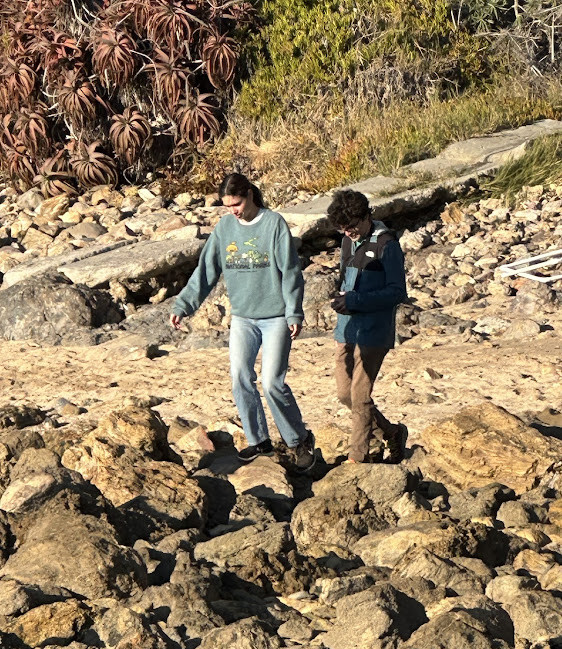
Community scientists survey rocky shore during a past BioBlitz. Credit: Dawn Nygren-Burkert / Aquarium of the Pacific
The goal of a bioblitz is to provide a “snapshot” of the biodiversity of that location at a point in time. Aquarium community scientist volunteers help make this happen by gathering together for an intensive survey of wildlife while learning and exploring together.
At the Aquarium of the Pacific, we utilize the community science app iNaturalist to gather and submit data. We invite you to join us at the following BioBlitz events using our project: #AOPcitsci
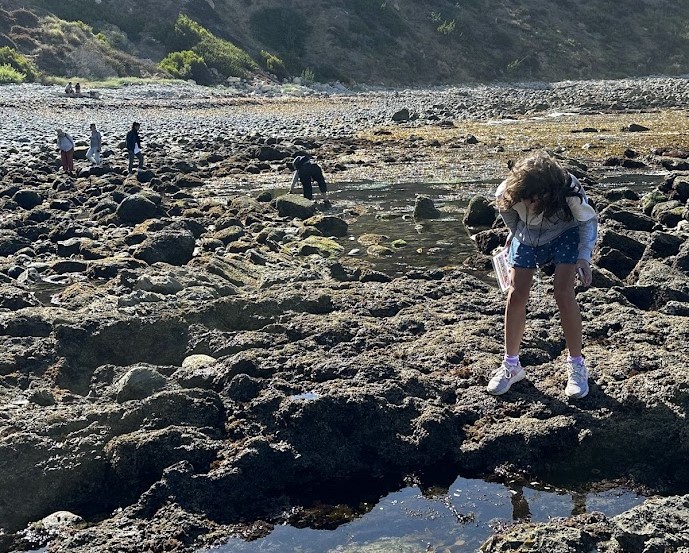
Community Scientists collect data at Pelican Cove. Credit: Dawn Nygren-Burkert / Aquarium of the Pacific
Snapshot Cal Coast
The Aquarium of the Pacific has been participating in this annual, state-wide effort to document coastal biodiversity which takes place up and down the California coast over a two-week period, focusing on intertidal zones in Marine Protected Areas (MPA). In partnership with USC Sea Grant and other partners, the Aquarium of the Pacific has been collecting data at Pelican Cove in Rancho Palos Verdes since 2016.
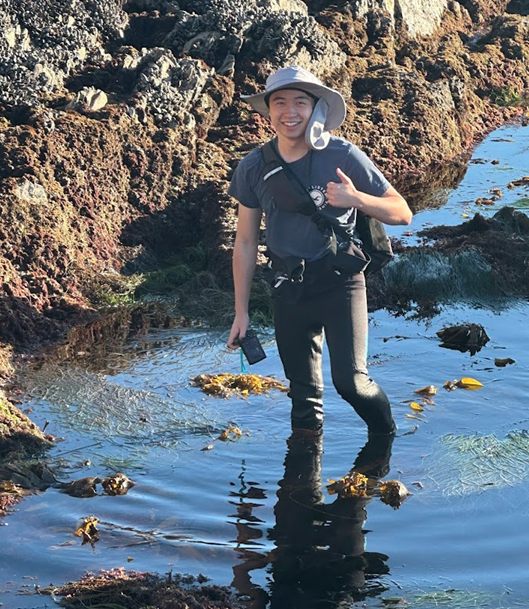
iNaturalist program lead Sean Ono captures data in an intertidal zone. Credit: Dawn Nygren-Burkert / Aquarium of the Pacific
City Nature Challenge
The City Nature Challenge (CNC) began in 2016 as a friendly competition between Los Angeles and San Francisco to see who could document the most wildlife in their cities. Run by the Community Science teams at the California Academy of Sciences and the Natural History Museum of Los Angeles County, the CNC has bloomed into an international event with over 80,000 participants making over 2 million observations.
Join us this Spring to observe and/or identify the wildlife in your local community!
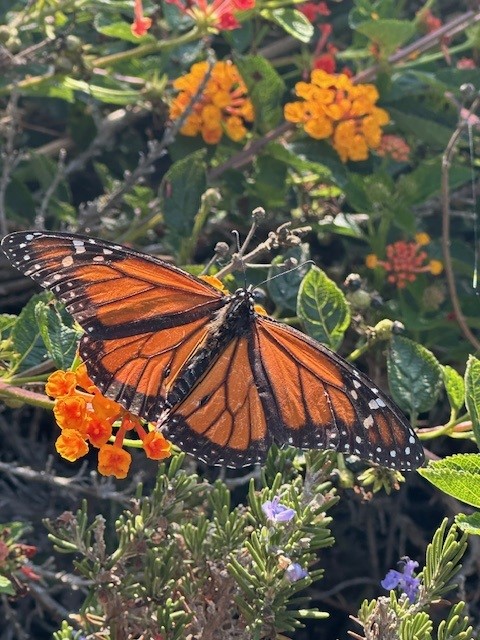
A monarch butterfly at the Aquarium’s Pacific Visions Garden. Credit: Dawn Nygren-Burkert / Aquarium of the Pacific
International Monarch Monitoring Blitz
This 10-day long Blitz toward the end of Summer invites community scientists to report sightings for monarch butterflies, milkweed plants, monarch eggs, caterpillars and chrysalises. By having participants in Canada, the United States of America, and Mexico collaborate over the entire range of North America, we are able to gather and analyze a robust amount of data. This information over the long term will help us better understand population and habitat trends.