


Bryde’s Whale Spotted In SoCal
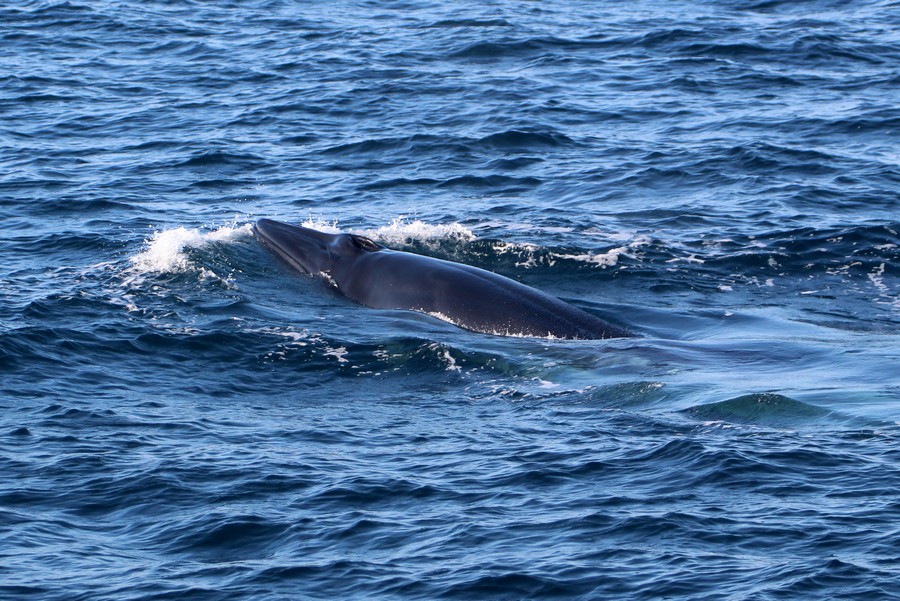
Bryde's whale with distinctive 3 ridges on the rostrum Credit: Aquarium of the Pacific

James S.
Thursday, September 12, 2019
Bryde’s whales are sometimes spotted in Southern California, which is quite a bit north of their accepted range on almost any map you look at. With changing ocean temperatures we could be seeing an expansion in their range with areas of California having the possibility of seeing them at regular intervals. Though Bryde’s whales are not highly studied there is quite a bit we can cover in this blog.
There are 3 species of Bryde’s (pronounced BRUU-dəz) whales, the common Bryde’s whale (Balaenoptera brydei), Eden’s whale (Balaenoptera edeni), and Omura’s whale (Balaenoptera omurai). If you look up information on your own there are a number of cases where the Bryde’s whale and Eden’s whale scientific names and especially the common names are used interchangeably. The common Bryde’s whale is the largest of the 3, while Eden’s whale was described first in 1879 by the Scottish zoologist John Anderson. Wondering why Eden’s whale is not named Anderson’s whale? So did I. The British Chief Commissioner for then British controlled Burma, now Myanmar, was named Ashley Eden. And it was Ashley Eden that saved and provided the specimen for Eden to study and describe. The common Bryde’s whale was described and named in 1913 by Norwegian scientist Ørjan Olsen and named after Johan Bryde, who initiated whaling in South Africa. Wondering how seemingly the same whale received 2 common names and 2 scientific names? I thought so. The Bryde’s whale and Eden’s whale are generally considered genetically, morphologically, and geographically distinct, yet there is still some discussion and contention that they are the same species. Eden’s whale lives primarily in the Indo-Pacific region while Bryde’s whales are found globally across the tropical region of all oceans (waters with temps over 20C or 68F), staying mostly between 40 degrees North and 40 degrees South.
Omura’s whale was recently accepted as another type of the Bryde’s whale, once thought to be a subspecies it was recognized as a distinct species of whale in 2003. Long mistakenly identified as fin whales or sei whales, Omura’s whales lack the unique 3 ridge feature seen on Bryde’s whales. In the field that is the defining feature we use to identify Bryde’s whales over fin and sei whales. If the lower jaw is not bicolored we rule out fin whales, and then we have to really look at the rostrum and hope we get a good photo to see the lateral ridges. As you might imagine it takes some effort to verify and corroborate our IDs when we say we’ve seen a Bryde’s whale.
We are so very lucky to get to see this type of whale as much as we do since there have not bee a lot of confirmed sightings in the Southern California bight, pre-2012 there were only about a dozen confirmed sightings via photography or DNA. Partially due to less people whale watching, but also scientists are looking at how climate change may be altering Bryde’s whales’ patterns and ranges, as well as all baleen whales’ ranges across the globe. Bryde’s whales feed on fish and sometimes krill. Feeding and calving occurs year-round with no apparent distinct season or migration for either. Bryde’s whales have babies every other year and gestation is about 11-12 months, weaning at approximately 6 months.
Well just because school is back in session doesn’t mean the whale watching fun has to stop. Come on down to Long Beach and get your combo ticket here to visit the Aquarium of the Pacific and a whale watch with Harbor Breeze Cruises. Come inside to check out our 12,000 animals on display, explore our major expansion Pacific Visions to learn about how our choices can impact our future, and learn about local cetaceans at our Voices in the Sea exhibit if you want to listen to whale calls while you learn.
See you on the water!

Bryde's whale cow/calf pair Credit: Aquarium of the Pacific

Bryde's whale at the surface, note the 3 ridges Credit: Capt. Erik Combs, Harbor Breeze Cruises
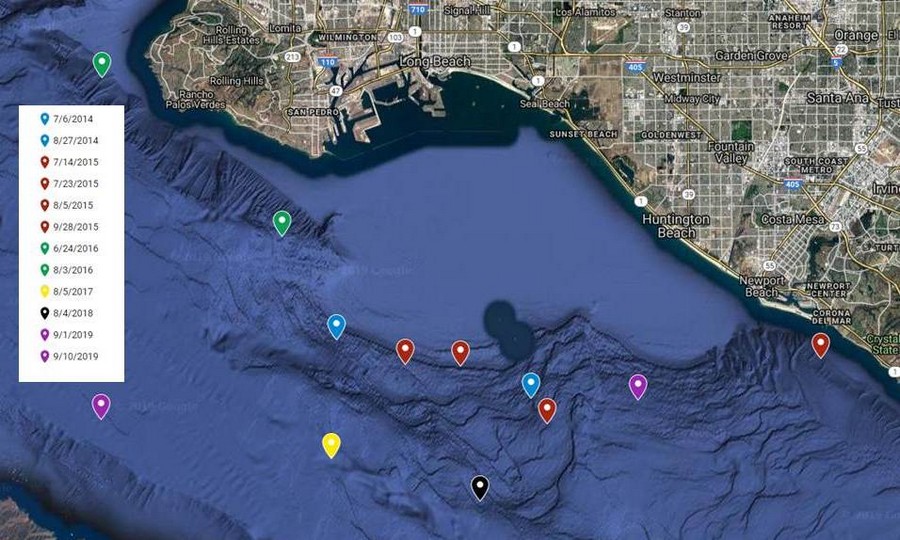
Map of Bryde's whale sightings 2014-2019 Credit: Aquarium of the Pacific and Google Maps
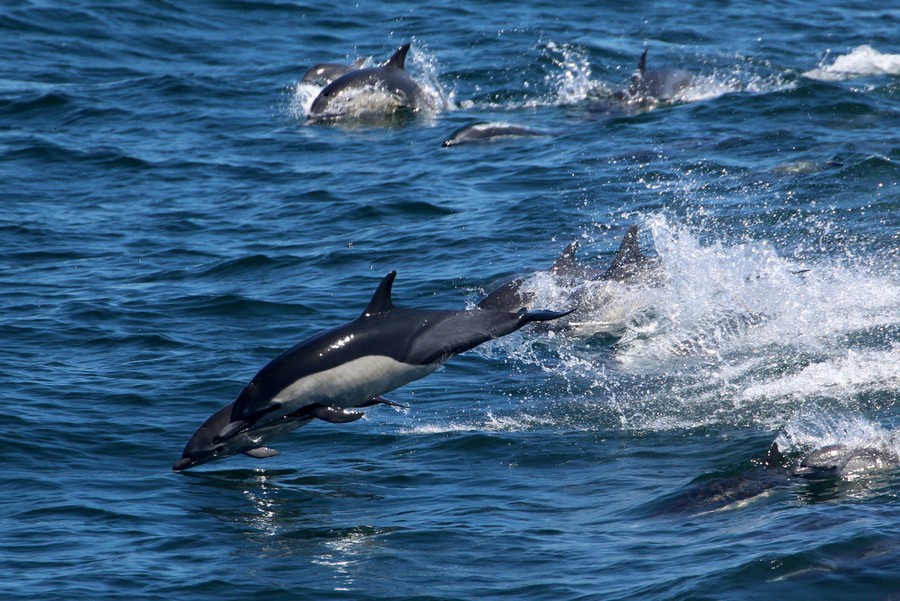
Common dolphins porpoising Credit: Aquarium of the Pacific

Blue whale fluke Credit: Aquarium of the Pacific
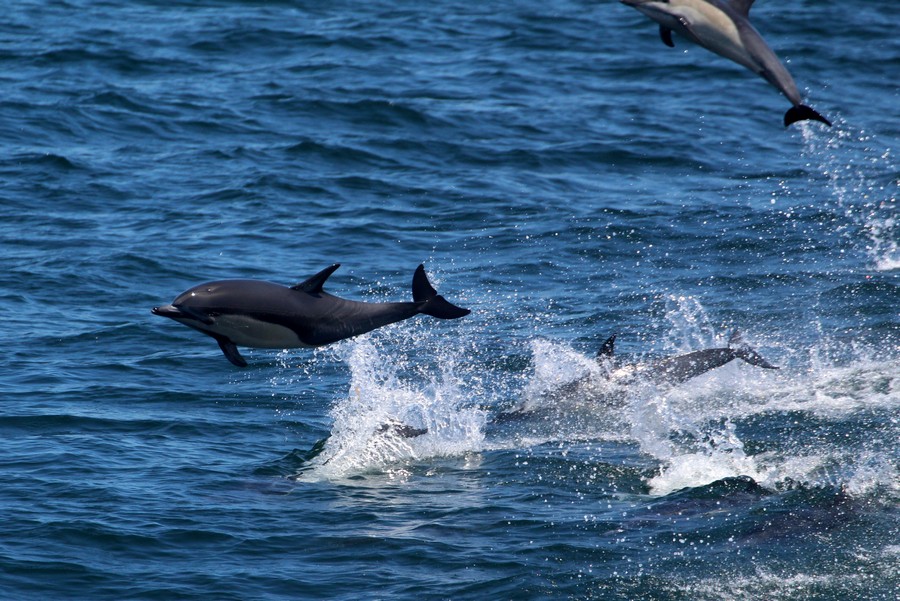
Common dolphins leaping through the air Credit: Aquarium of the Pacific
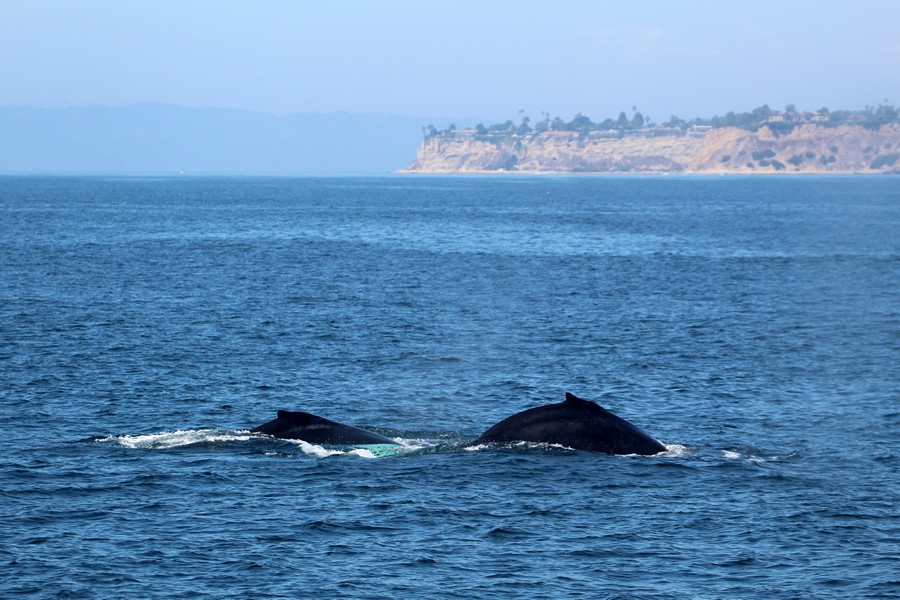
Pair of humpbacks off the coast of Point Vicente Credit: Aquarium of the Pacific
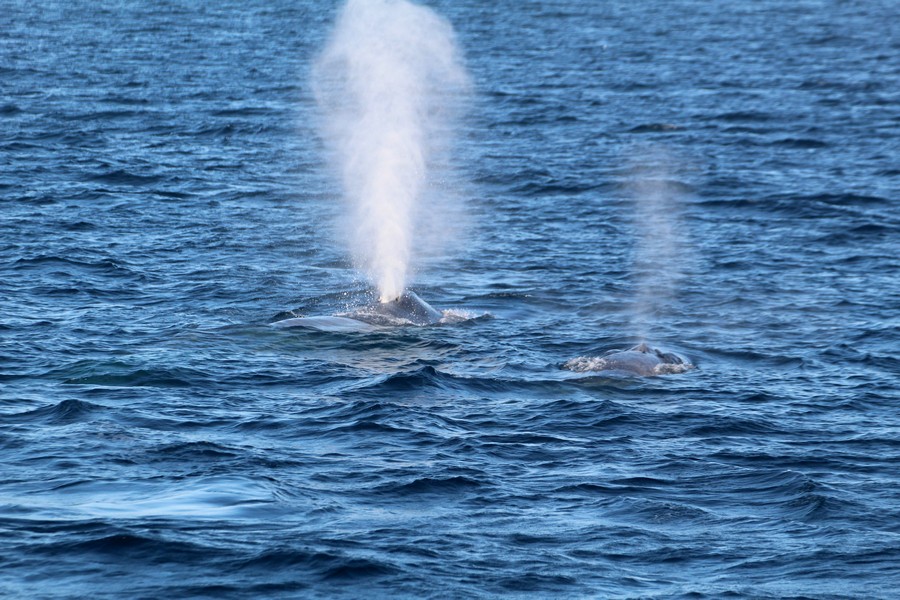
Blue whale cow calf pair at the surface Credit: Aquarium of the Pacific
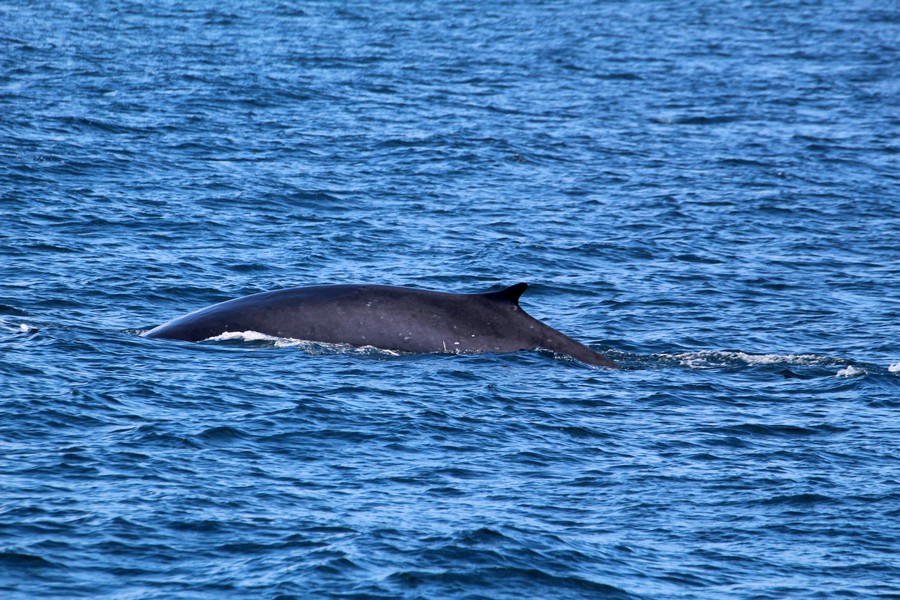
Fin whale dorsal fin as it arches its back in the water Credit: Aquarium of the Pacific
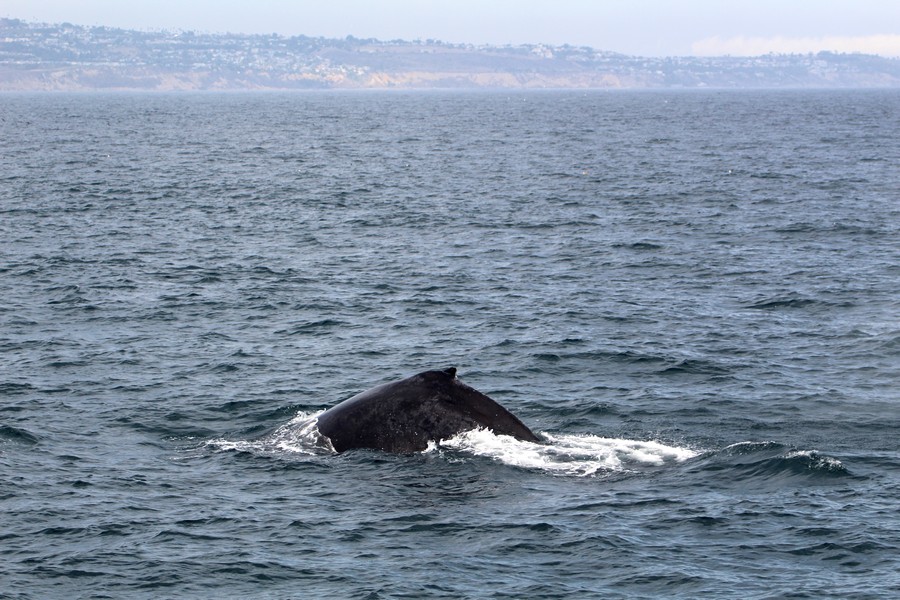
Humpback dorsal fin at it arches its back to go on a dive Credit: Aquarium of the Pacific
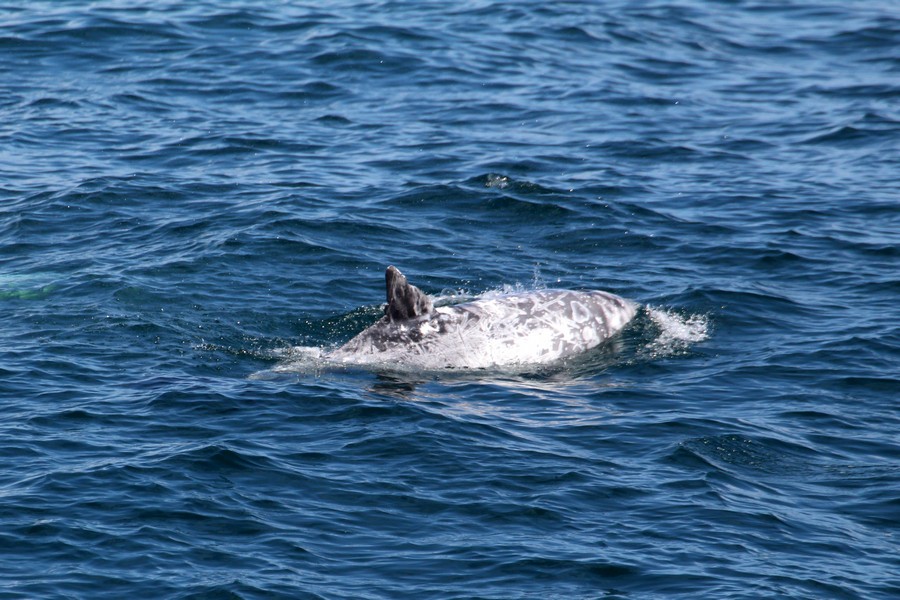
Risso's dolphin with distinct scarring and healed injuries to its dorsal fin Credit: Aquarium of the Pacific
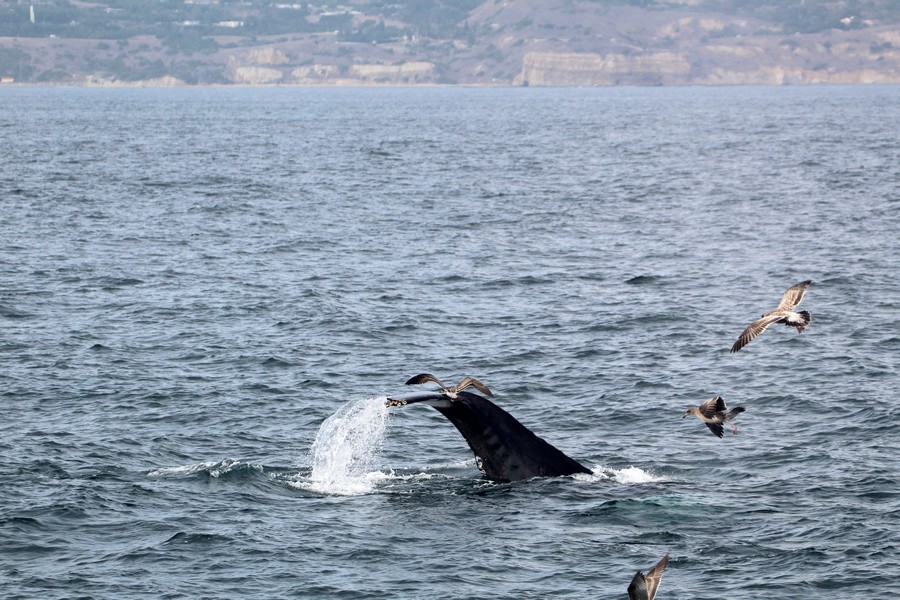
Humpback fluke in the air as it dives around a flock of shearwater birds Credit: Aquarium of the Pacific
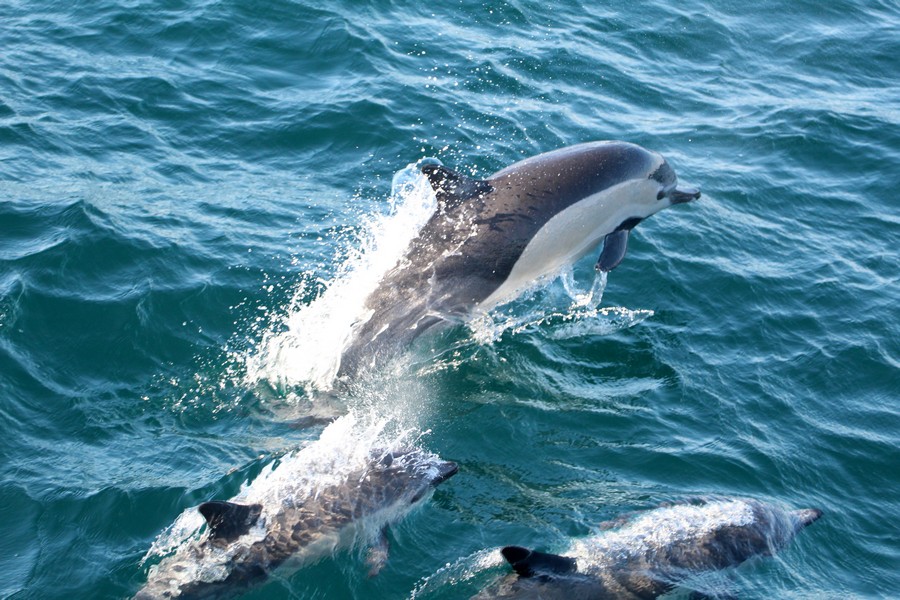
Dolphins porpoising in the water Credit: Aquarium of the Pacific
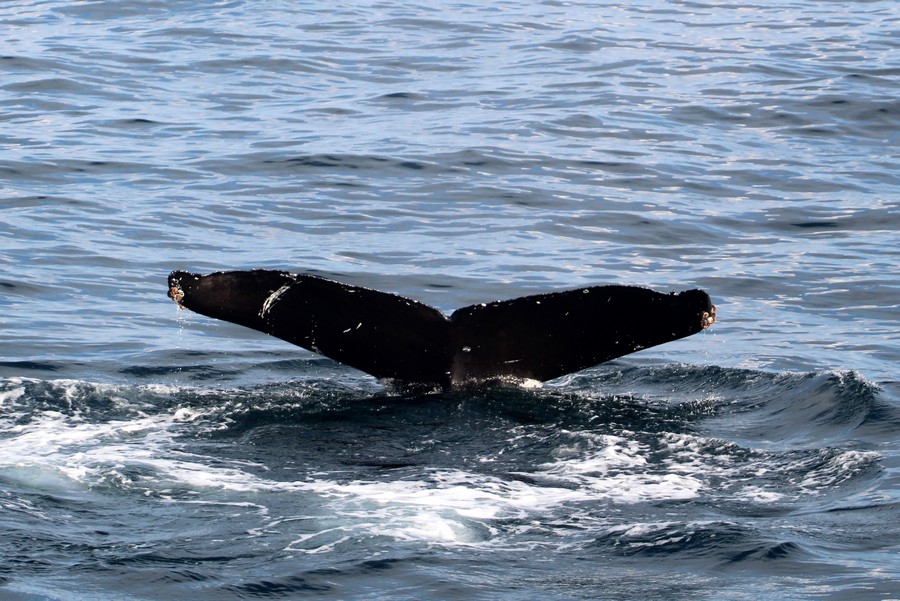
Humpback fluke Credit: Aquarium of the Pacific
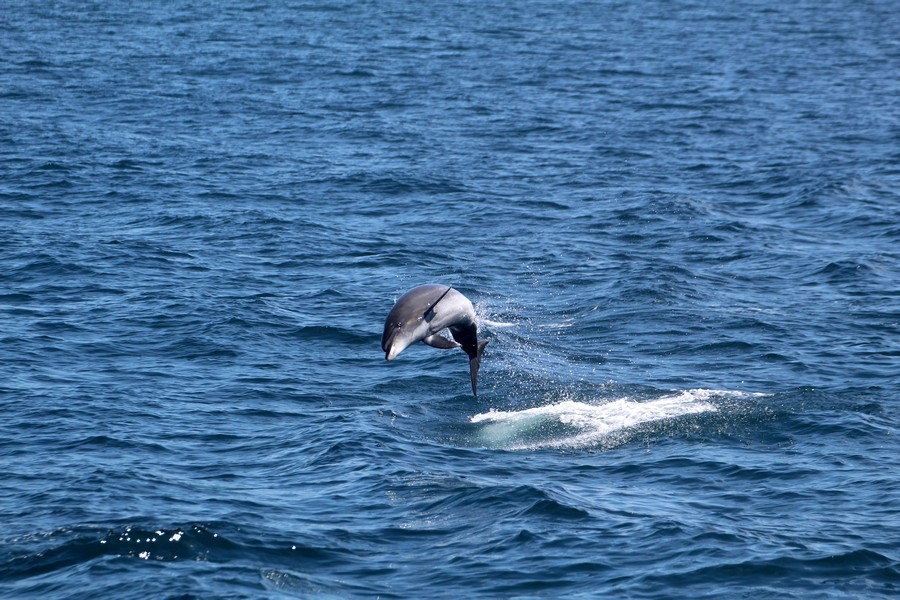
Bottlenose leaping in the air Credit: Aquarium of the Pacific
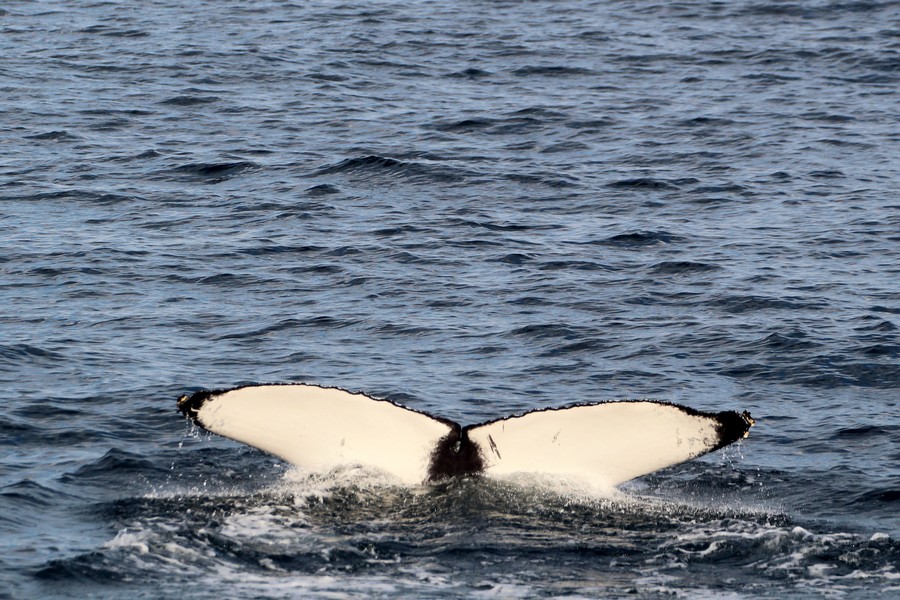
Humpback fluke Credit: Aquarium of the Pacific
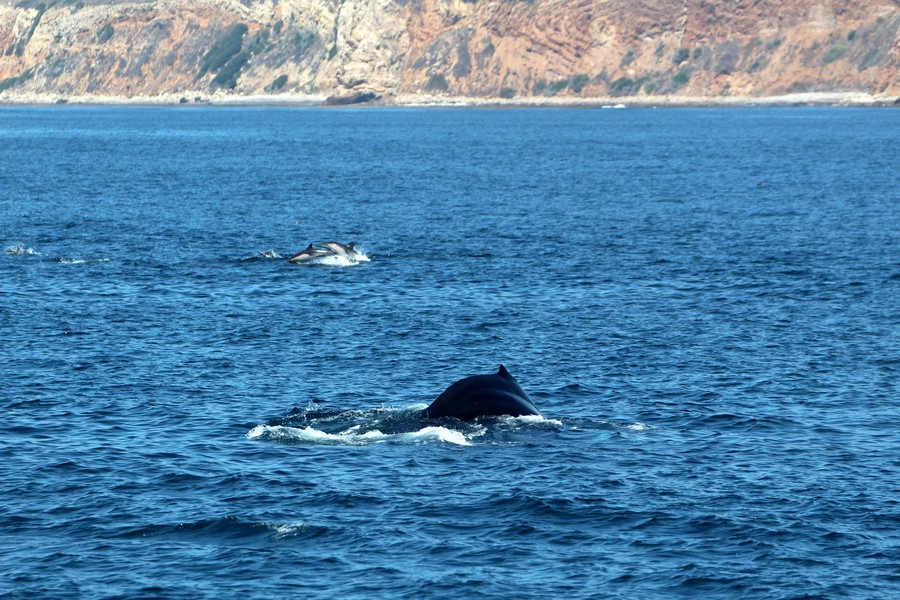
Humpbacks and common dolphins near the Palos Verdes coastline Credit: Aquarium of the Pacific
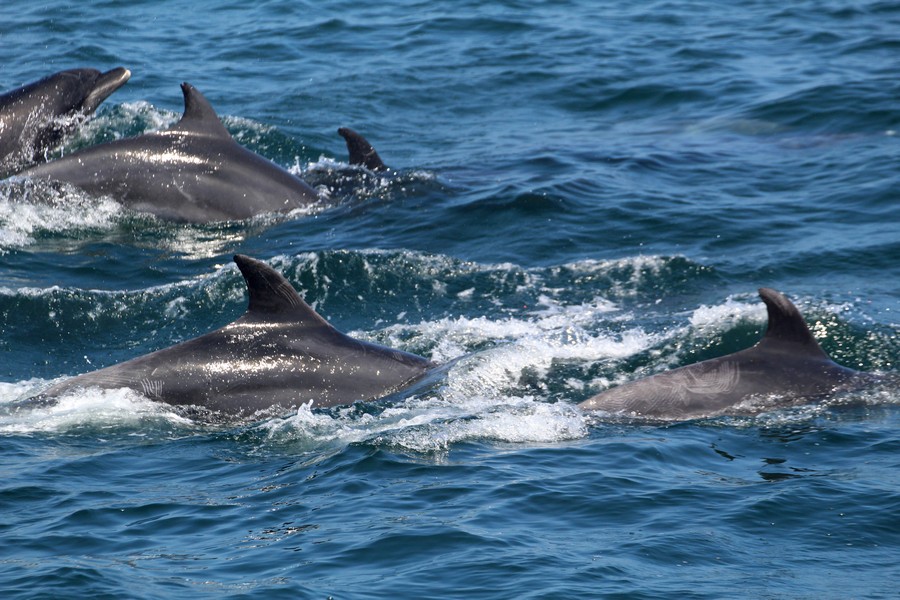
Pod of bottlenose with visible rake marks from each other Credit: Aquarium of the Pacific
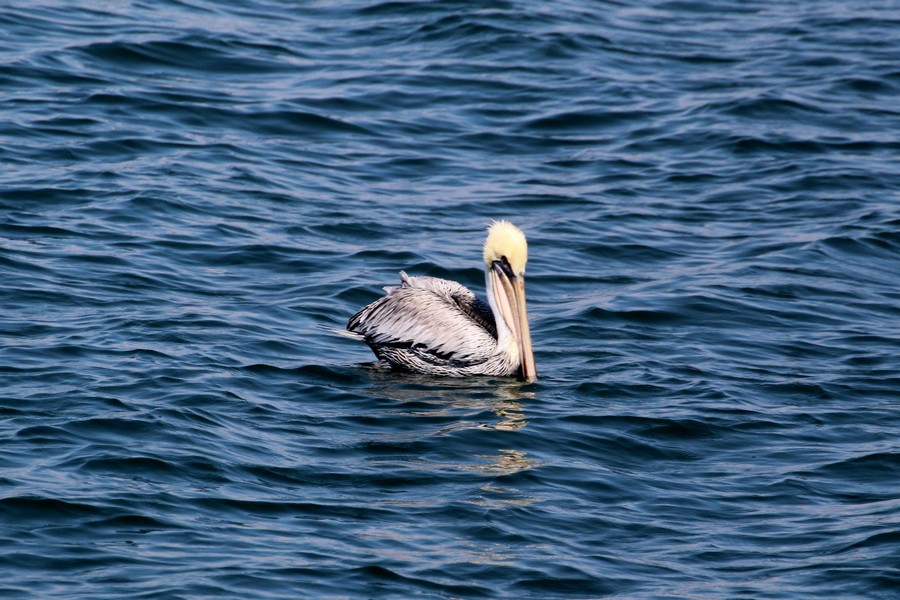
Brown pelican floating in the water Credit: Aquarium of the Pacific
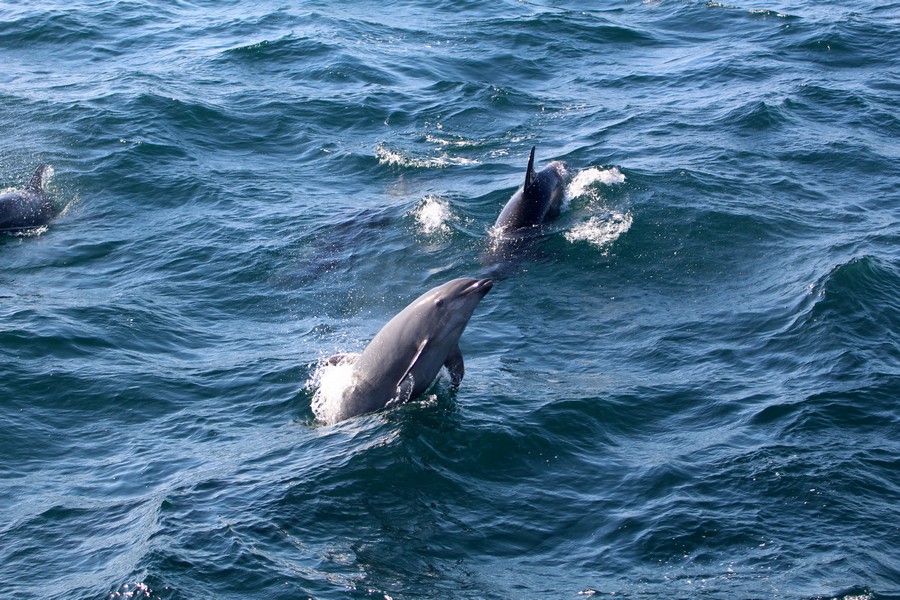
Lighter colored bottlenose spyhopping in the water Credit: Aquarium of the Pacific
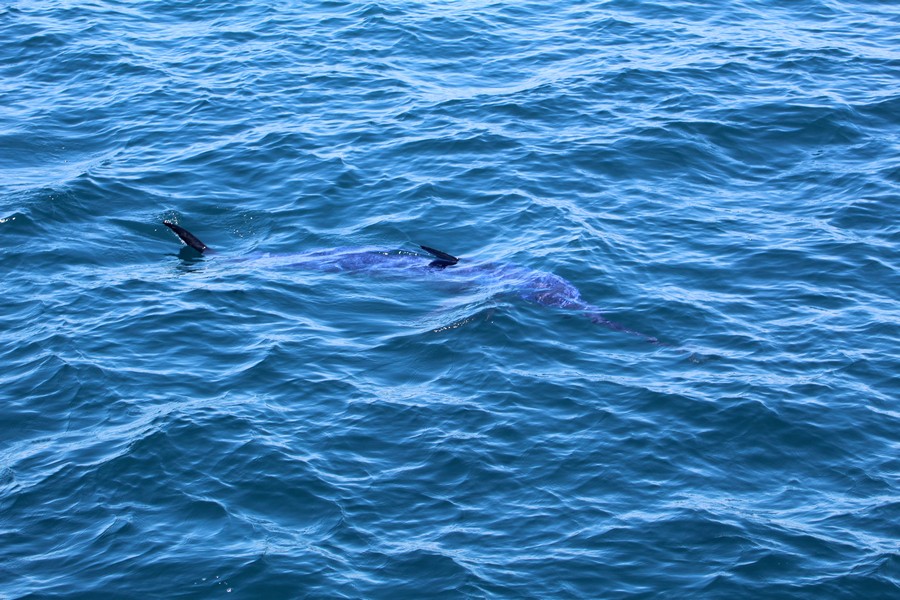
Swordfish at the surface of the water Credit: Aquarium of the Pacific
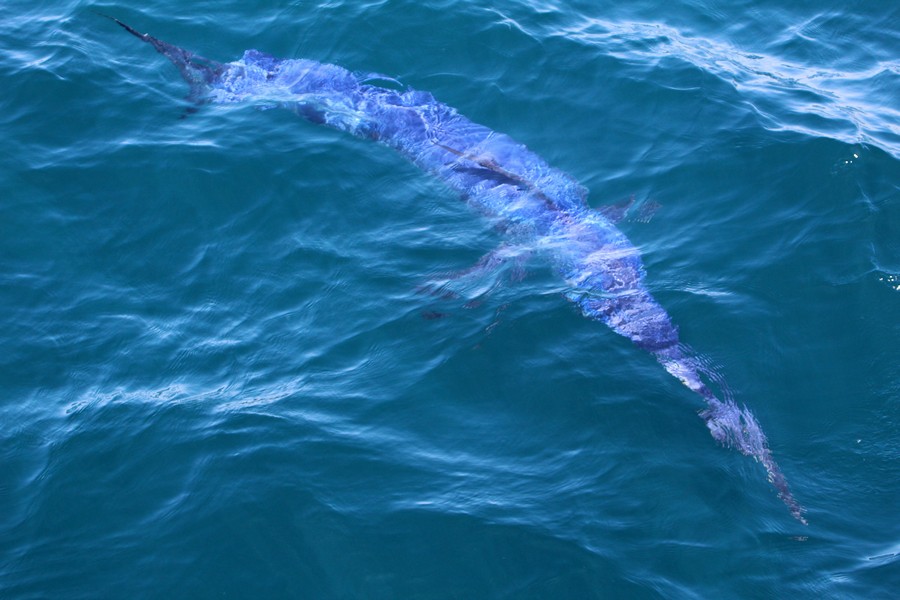
Swordfish at the surface of the water Credit: Aquarium of the Pacific
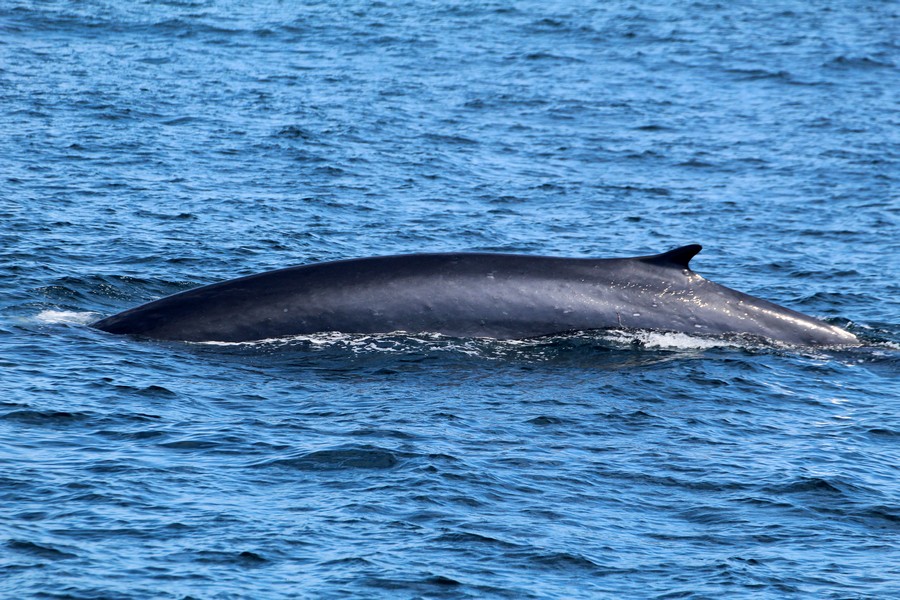
Fin whale at the surface of the water Credit: Aquarium of the Pacific
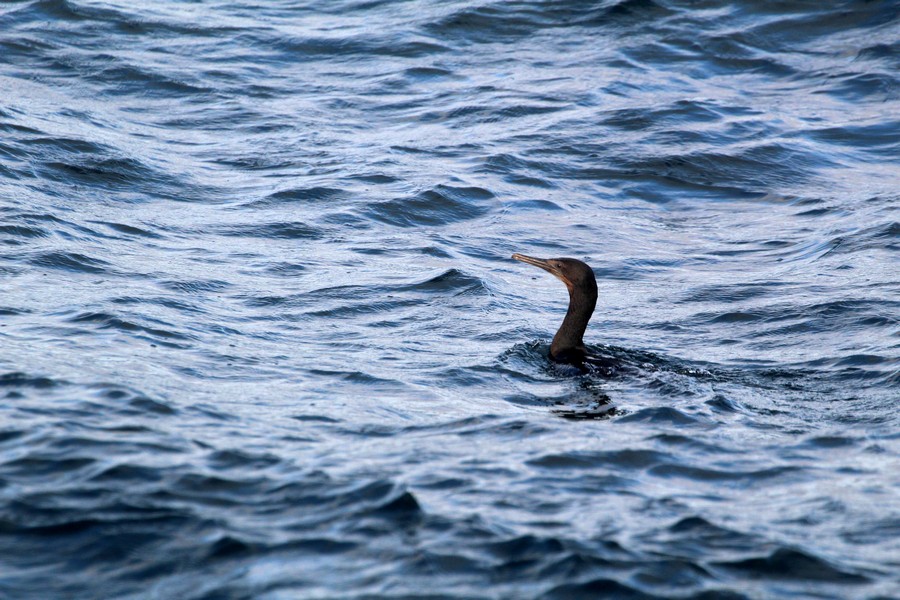
Brandt's cormorant floating in the water Credit: Aquarium of the Pacific
Dolphins porpoising in the water Credit: Aquarium of the Pacific
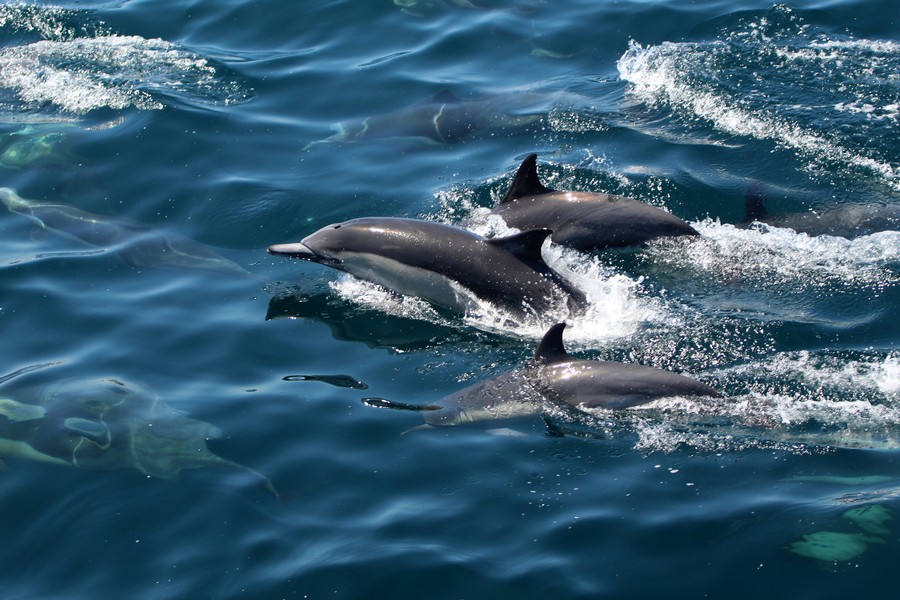
Pod of common dolphins at the surface Credit: Aquarium of the Pacific