


Bounty of Blue Whales

Blue whale left dorsal side and fin Credit: Jackie Olvera, Aquarium of the Pacific
James S.
Thursday, May 24, 2018
Almost every day for the past week we have been spotting blue whales from Point Vicente and Redondo Canyon to the canyons off of Point Fermin. Last year we had a decent May and June for blue whale sightings and then into what would normally be our busiest blue whale months the sightings became very infrequent. According John Calambokidis of Cascadia Research Collective they blues had expanded their summer feeding range in California. Which is why Monterrey Bay had so many sightings, more than they normally would, and we had fewer sightings and individuals than we normally would. Keep your fingers crossed that there is more food in the area this year to lure the largest animal alive to our local waters.
California blue whales have been tracked to winter off of Mexico and Costa Rica in waters we know the whales move to but scientists have yet to witness where blue whale calves are born. So much is being learned about this species and their sub populations that what we know about these animals will be changing regularly in the years to come. There was a paper this month about the a newly described resident population of pygmy blue whales (Balaenoptera musculus brevicauda) using methods we do here at the Aquarium and technologies that we don’t have but are standard in the industry for finding and identifying individuals. Understanding the migrations or residencies of whales, especially in busy port areas, is incredibly important to make sure our conservation efforts and legislation to protect these beautiful animals stays up to date with the science, along with continually learning more about our aquatic ecosystems and the urban ocean environment.
Next week we’ll have some of our new interns starting, if you’re out on the boat make sure to say hi and ask them about our photo ID program. Even if you’ve just been out on the whale watch, it’s always great to get back out there and explore our local waters with Harbor Breeze Cruises and our naturalists from the Aquarium of the Pacific. Follow the link to purchase your combo ticket to the Aquarium and Harbor Breeze, we’re open 9-6pm with whale watches running at 12 and 3pm from the dock right outside the building. Blue whales are common in our summer season along with fin whales, humpback whales, bottlenose and common dolphins, ocean sunfish, and many more species. Come on down to Long Beach and check it out.
See you on the water!
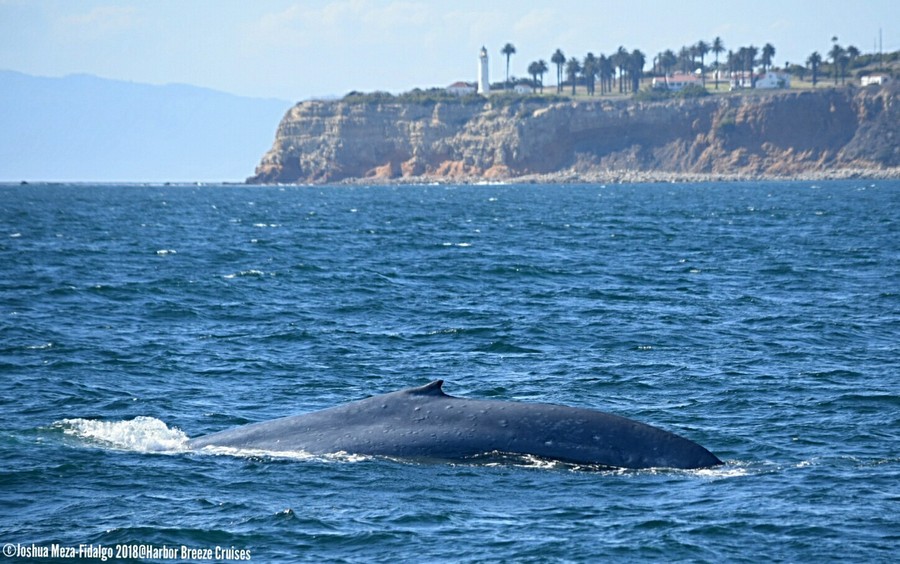
Blue whale with Pt. Vicente in the background Credit: Josh Meza-Fidalgo, Harbor Breeze Cruises
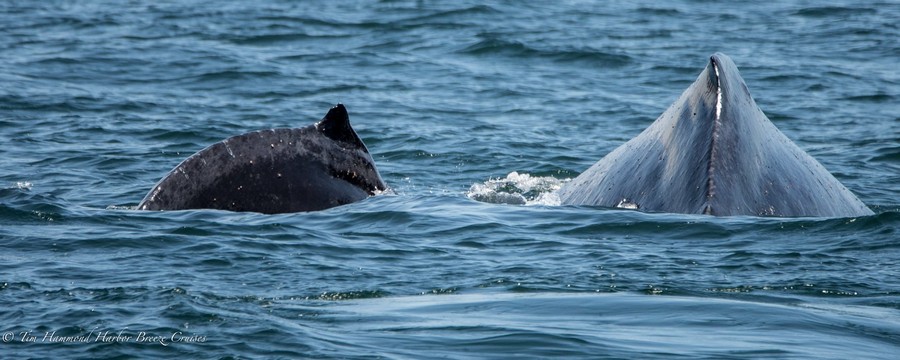
Chompers the humpback whale with calf Credit: Tim Hammond, Harbor Breeze Cruises
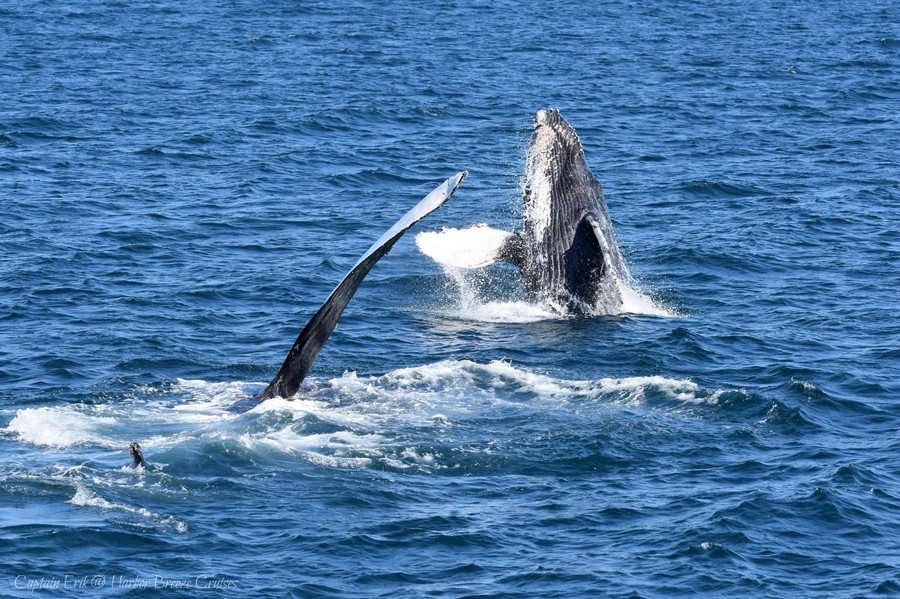
Chompers the humpback whale and breaching calf Credit: Aquarium of the Pacific
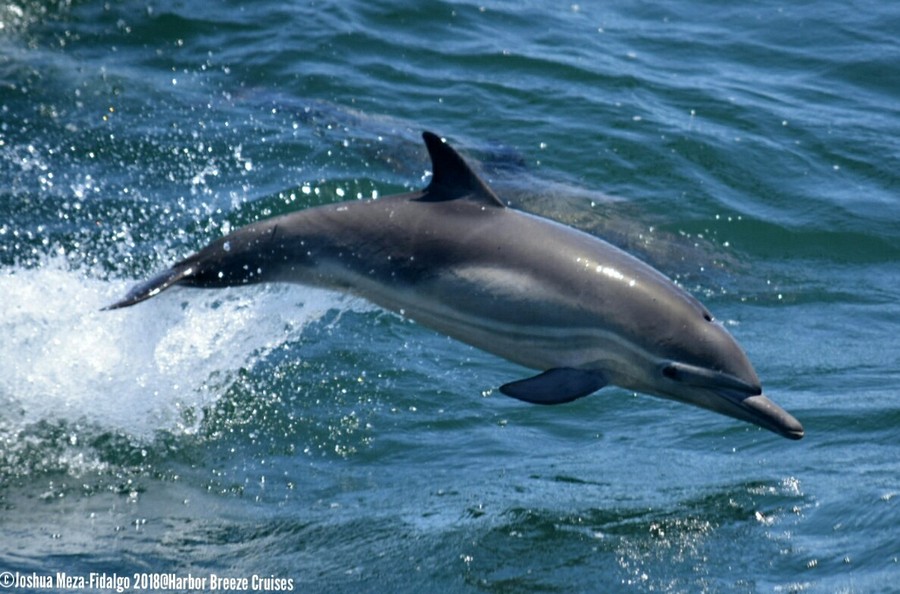
Common dolphin leaping through the air Credit: Josh Meza-Fidalgo, Harbor Breeze Cruises
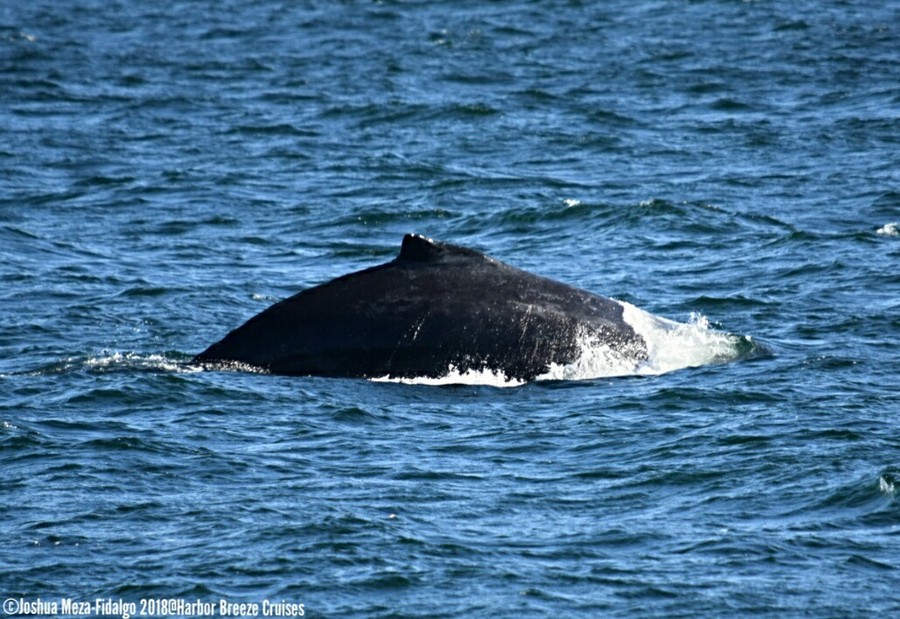
Humpback whale right side dorsal fin Credit: Aquarium of the Pacific
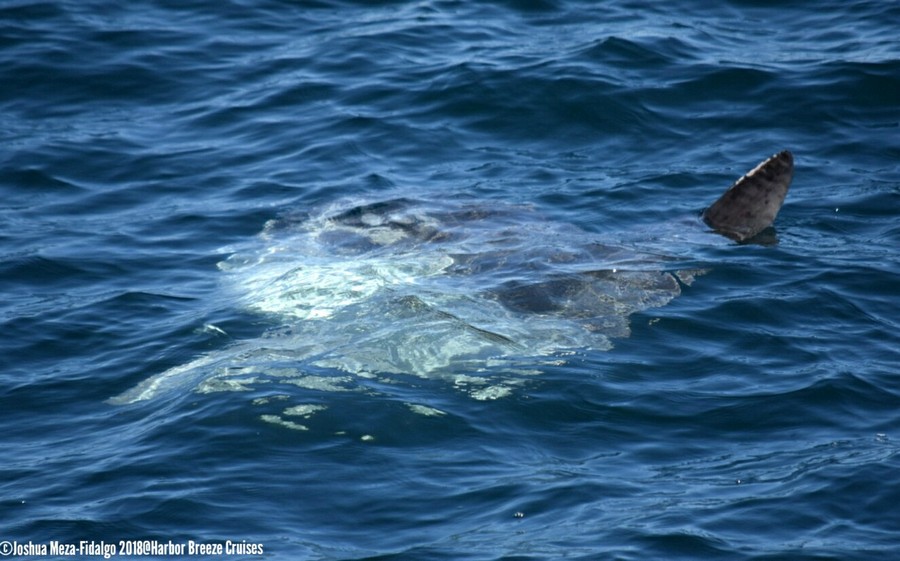
Ocean sunfish or Mola mola sun bathing at the surface Credit: Josh Meza-Fidalgo, Harbor Breeze Cruises
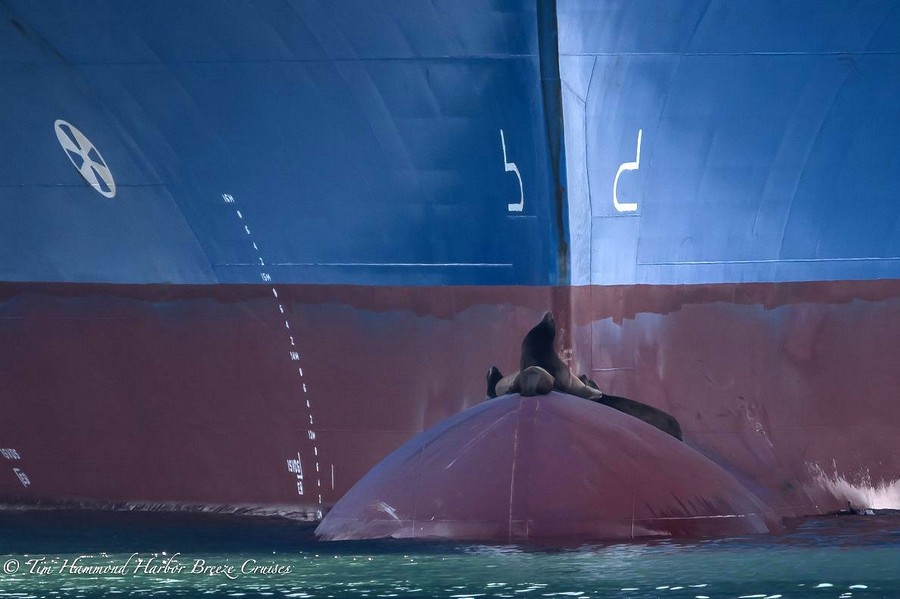
Sea lions resting on the front of an anchored ship in the port Credit: Tim Hammond, Harbor Breeze Cruises
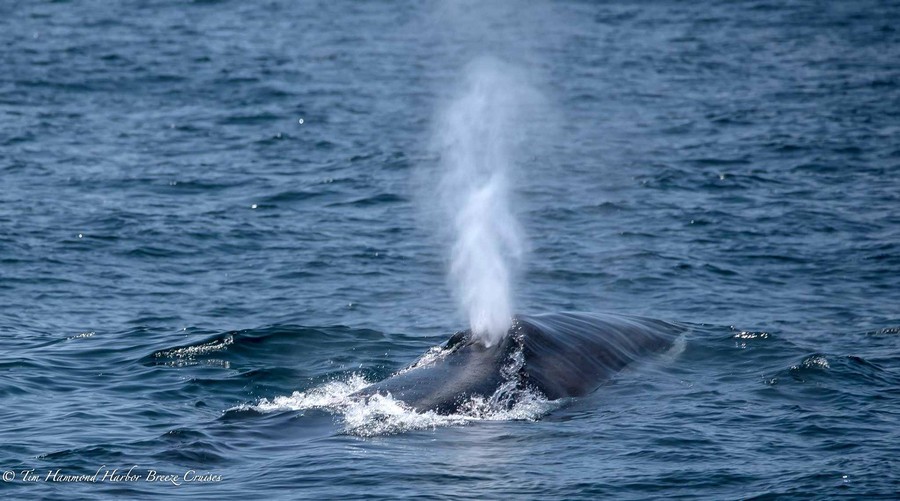
Fin whale blow and rostrum Credit: Tim Hammond, Harbor Breeze Cruises
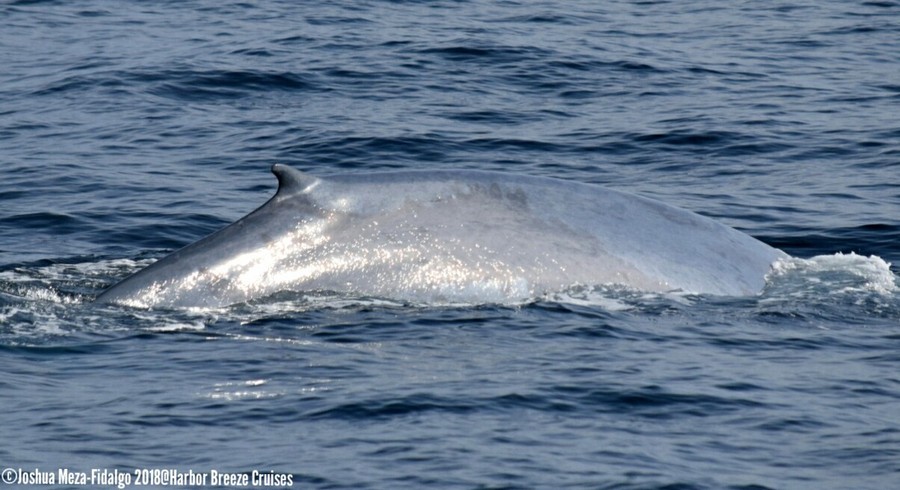
Blue whale dorsal at surface Credit: Josh Meza-Fidalgo, Harbor Breeze Cruises
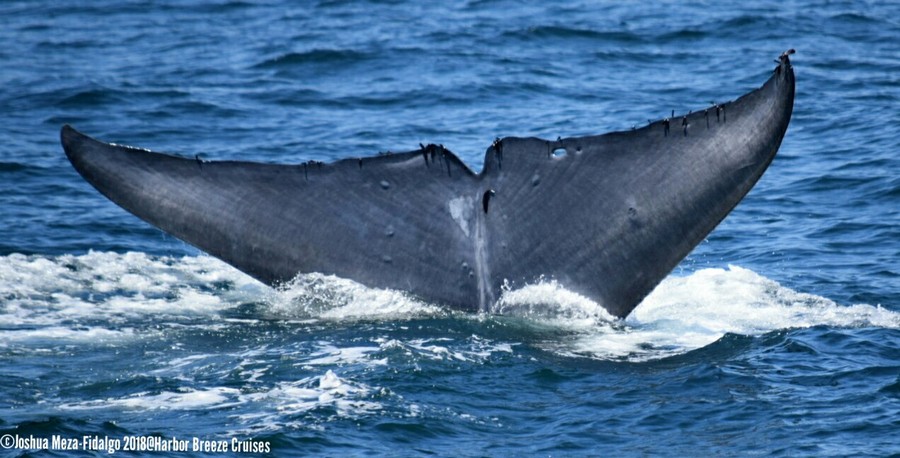
Blue whale fluke with distinct hole at the end Credit: Josh Meza-Fidalgo, Harbor Breeze Cruises
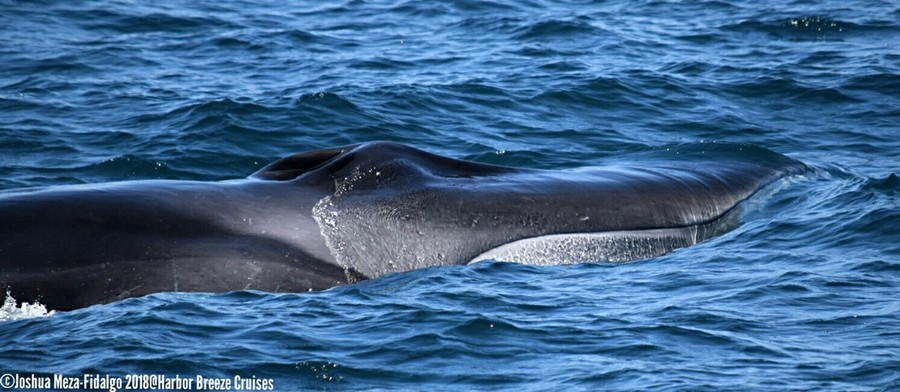
Fin whale rostrum at the surface Credit: Josh Meza-Fidalgo, Harbor Breeze Cruises
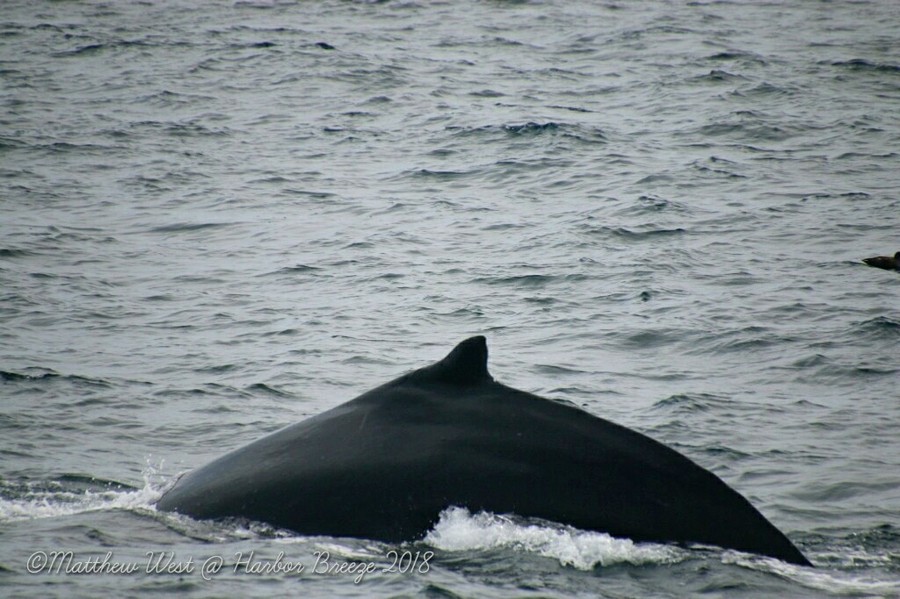
Humpback dorsal fin during dive sequence Credit: Matt West, Harbor Breeze Cruises
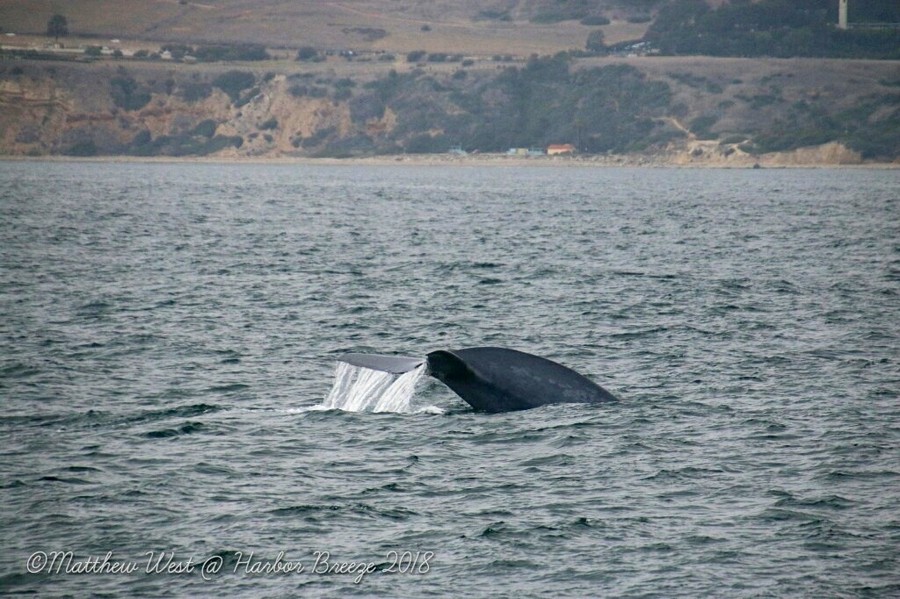
Blue whale tailstock during a dive Credit: Matt West, Harbor Breeze Cruises
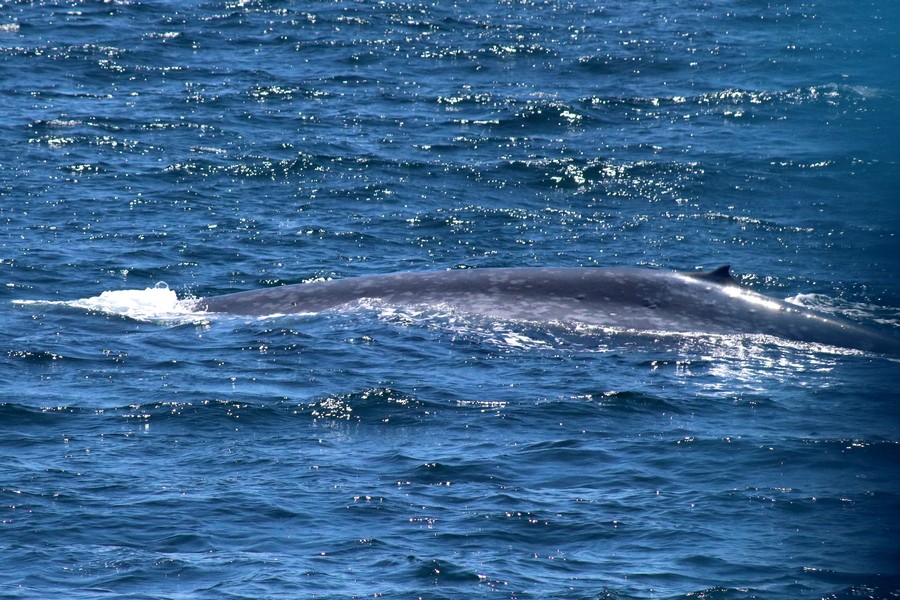
Blue whale left dorsal side and fin Credit: James Stewart, Aquarium of the Pacific
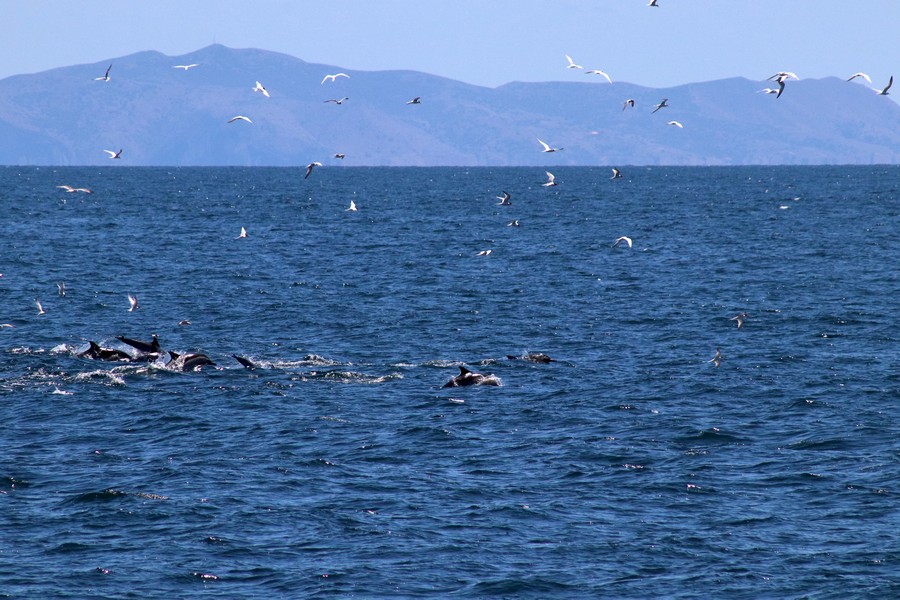
Common dolphins and sea birds with Catalina in the background Credit: James Stewart, Aquarium of the Pacific
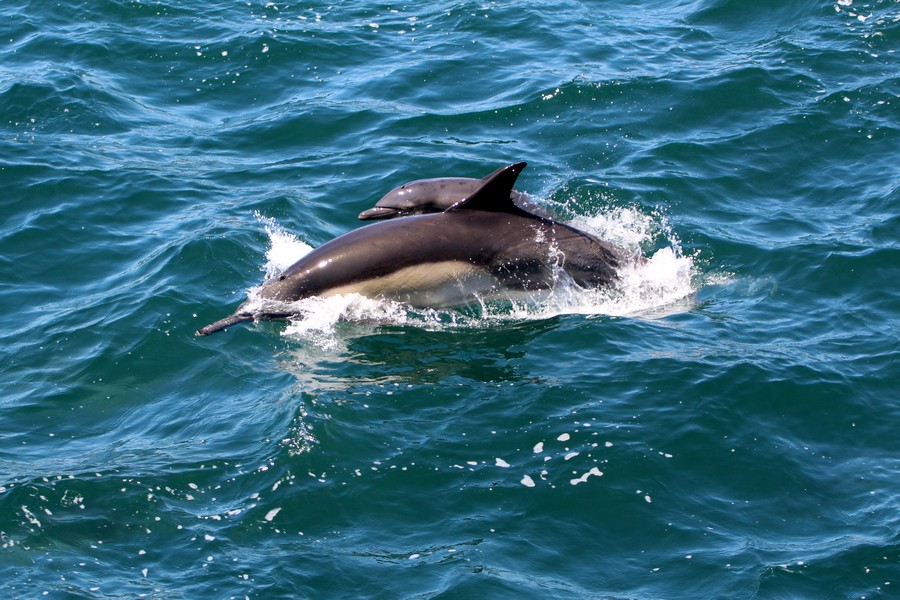
Common dolphin cow/calf pair jumping out of the water Credit: Jackie Olvera, Aquarium of the Pacific
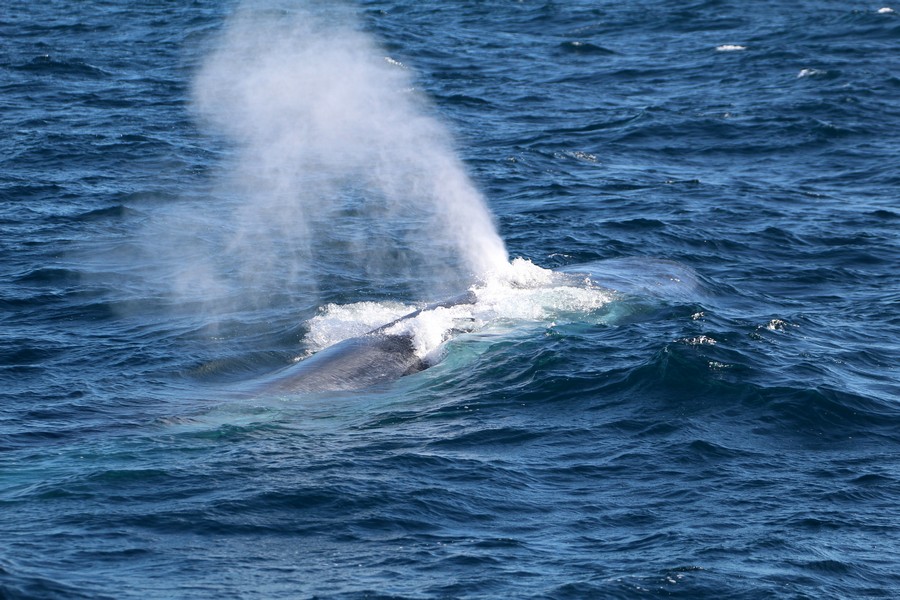
Blue whale blow and rostrum Credit: Jackie Olvera, Aquarium of the Pacific
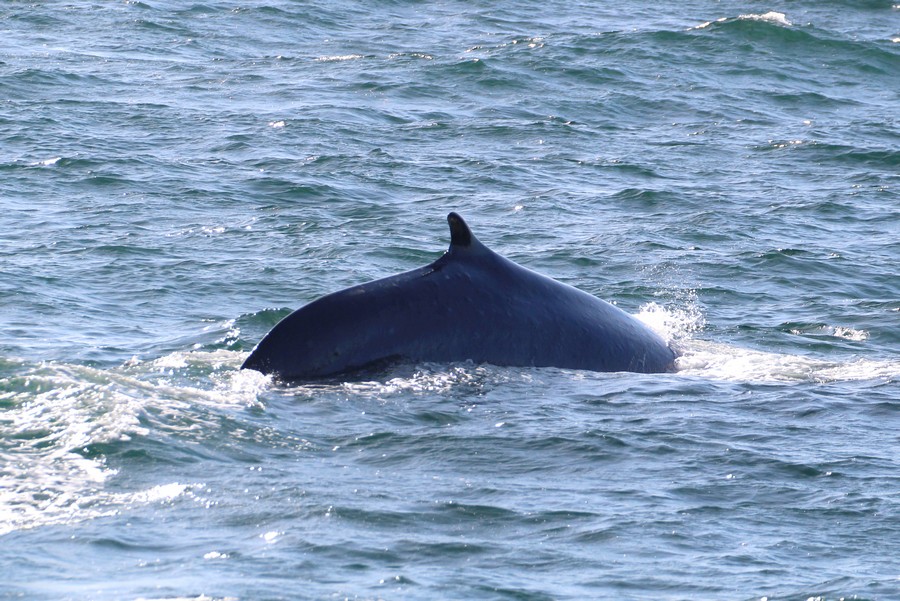
Fin whale dorsal fin, right side Credit: Jackie Olvera, Aquarium of the Pacific

Blue whale sighting Map 2017 Credit: Aquarium of the Pacific and ESRI